
How to Choose Carp Hooklink Material: Coated Braid, Fluorocarbon & More
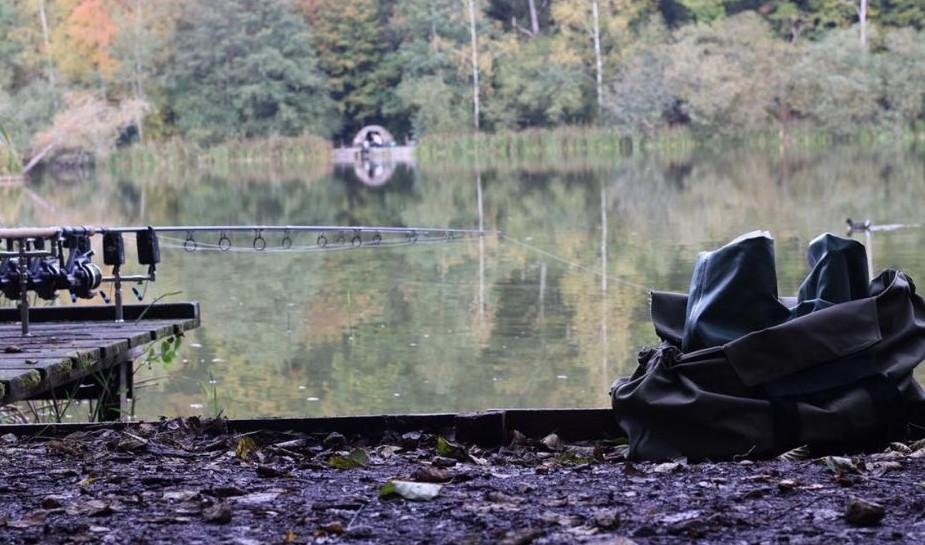
Ask ten carp anglers which hooklink material they swear by and you’ll get ten different answers, and they’ll all be right. After twenty-odd years on the bank, chasing everything from pressured day-ticket commons to wary estate-lake mirrors, I’ve learned that the “best” carp hooklink simply doesn’t exist. There’s only the best material for the rig you’re tying and the lakebed you’re fishing over. Get that pairing right and your hookbait sits perfectly; get it wrong and you’ll blank while wondering why.
This guide breaks down the main types of carp hooklink material, the breaking strains that matter, and exactly when to reach for each one. Whether you’re topping up your rig wallet or starting from scratch, our team at Claytons Tackle can point you to the right spool.
The Main Types of Carp Hooklink Material
Every hooklink falls into one of a few broad families. Understanding how each behaves in the water is the single most useful thing you can learn about rig mechanics.
Coated Braid
Coated braid is the modern all-rounder and, for many anglers, the sensible starting point. It’s a supple braided core wrapped in a stiffer plastic coating, which means you get the best of both worlds. Leave the coating on for a stiff, tangle-resistant boom section, then strip the coating back near the hook with your fingernails or a stripping tool to create a supple, kicking hinge that lets the hook turn and grab hold.
Coated braid is ideal for combi rigs, where a stiff section aids anti-tangle presentation and casting, and a soft section by the hook improves the hook’s ability to catch. Look out for tungsten-coated options too: the added weight pins the hooklink flat to the deck for a natural presentation on the lakebed, which is a genuine edge on clear, hard-fished waters where wary carp inspect a bait before taking it.
Supple Braid
Uncoated, soft braid is the ultimate in movement. Because it’s limp and flowing, it lets a hookbait behave completely naturally, so it’s a superb choice for wary fish and short hooklinks fished over a clear or firm bottom. It’s the go-to for solid bags and PVA-mesh presentations, where a short, supple braid hooklink flips over cleanly as the bag breaks down. The trade-off is that soft braid tangles more easily on the cast, so use anti-tangle sleeves and keep hooklinks short.
Stiff and Semi-Stiff Fluorocarbon
Fluorocarbon is stiff, abrasion-resistant, and near-invisible underwater thanks to its low light refraction. Stiff fluoro is the backbone of two classic presentations: the chod rig and the hinged stiff rig. The stiffness holds the hook away from the lead and resets the rig if a fish gets away with a first attempt, and it excels over silt and low-lying weed because a chod can be fished at any point up the leader, sitting above the debris.
Semi-stiff fluorocarbon is a slightly more forgiving option that still gives you that pop-up-friendly, tangle-resistant nature but with a touch more movement. Fluorocarbon also sinks well, which helps pin your carp hooklink material to the bottom over gravel and clear areas.
Monofilament
Don’t overlook plain mono. It’s cheap, stretchy, low-visibility and forgiving, which makes it brilliant for straightforward bottom-bait rigs and for beginners learning to tie knots. The stretch acts as a shock absorber on the take, and it’s more than capable of landing big fish. Where it falls short is abrasion resistance over heavy gravel and sharp weed, so match it to friendlier venues.
Breaking Strains: How Strong Is Strong Enough?
Breaking strain should suit your fish size and the terrain, not just your confidence. As a rough guide:
- 15lb–20lb covers most UK carp fishing on open, clear or lightly weeded waters.
- 20lb–25lb is sensible over gravel, snags and light weed where abrasion is a risk.
- 25lb–35lb+ comes into its own in heavy weed and near snags, where you need to bully fish away from danger.
Remember that a stiffer, higher-diameter material behaves differently to a limp one at the same breaking strain, so consider how the material sits as well as how much it holds. If in doubt, err on the stronger side around snags: it’s about fish safety as much as landing them.
Matching Hooklink to Rig and Lakebed
Here’s how I’d choose on the bank, based on what’s under the rod tips:
- Silt: a chod rig or hinged stiff rig on stiff fluorocarbon, so the hookbait sits proud of the soft bottom.
- Low weed: stiff fluoro chod-style presentations that ride above the fronds.
- Gravel and clear areas: coated braid combi rigs or fluorocarbon, ideally a tungsten-coated braid to pin everything flat.
- Firm, clear spots for wary fish: short supple braid for maximum hookbait movement.
- Casting into open water with a bag: soft braid in a solid PVA bag for reliable, tangle-free presentation.
Matching Hook Size and Coating
Your hooklink and hook must work as a team. As a rule, a supple hooklink pairs beautifully with a slightly larger, heavier-gauge hook because the movement lets the hook do its job. Stiffer materials suit curved or chod-pattern hooks that rely on the rig’s rigidity to flip and catch hold. When you strip the coating on a combi rig, keep the supple section short, around an inch, so the hook can rotate freely without the whole link collapsing. Always match hook size sensibly to your hookbait: an oversized hook on a small bait looks unnatural, while too small a hook risks poor hookholds on big carp.
Building Your Rig Kit
A well-stocked rig wallet holds two or three hooklink materials to cover every eventuality: a coated braid for combi and bottom-bait work, a stiff fluorocarbon for chods and hinged rigs, and a soft braid for bags and finesse presentations. Pair those with quality hooks, swivels, tubing and shrink tube from our end tackle range, and the right rig tools to tie neat, dependable rigs every time. We stock trusted names across the board, so browse by your favourite brands or shop all our tackle to build a kit that suits your waters.
FAQs
What breaking strain hooklink should I use for carp?
For most UK carp fishing, 15lb–20lb is ample on open or lightly weeded waters. Step up to 20lb–25lb over gravel and near light snags, and 25lb–35lb or more in heavy weed and around snags where you need to steer fish away from danger. Match the strain to the terrain rather than the size of fish alone.
Should I strip the coating off coated braid?
Only partly. Strip back around an inch near the hook to create a supple hinge that lets the hook turn and grab, while leaving the rest coated for a stiff, tangle-resistant boom. This combi approach gives you the casting and anti-tangle benefits of a stiff link with the hooking efficiency of a soft one.
Is fluorocarbon or braid better for carp hooklinks?
Neither is better outright, they suit different jobs. Choose stiff fluorocarbon for chod and hinged stiff rigs, especially over silt and low weed, where its stiffness and near-invisibility shine. Choose coated or supple braid for combi rigs, solid bags and finesse presentations where you want more movement in the hookbait.
Need a hand choosing your carp hooklink material? Pop into Claytons Tackle at 4 Queen Street, Haverhill, CB9 9EF for honest, experience-led advice, or order online with free UK delivery on orders over £50. Whatever you’re fishing for and wherever you’re fishing, we’ll help you get your rig spot on.
Leave a Reply