
Bivvy Buying Guide: How to Choose the Right Carp Shelter
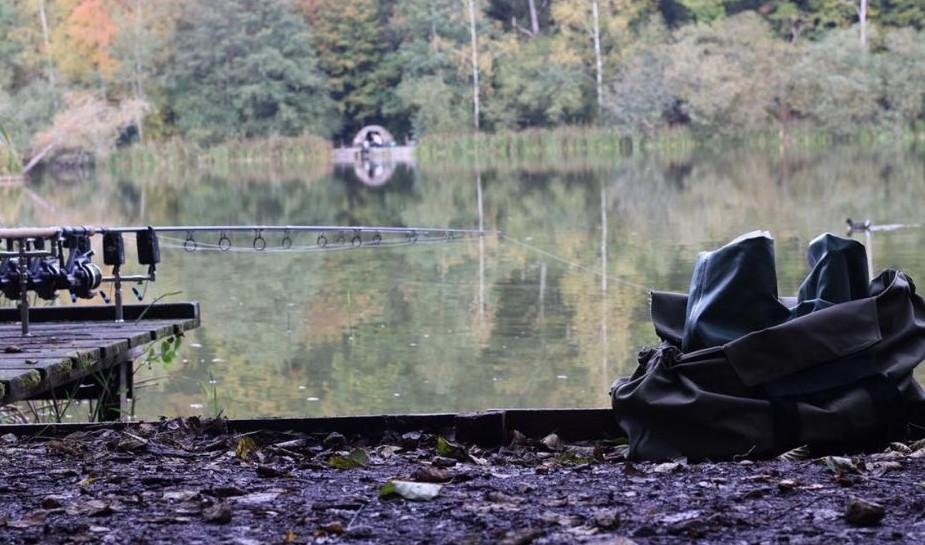
Ask ten carp anglers what makes the perfect carp bivvy and you’ll get ten different answers. That’s because the right shelter depends entirely on how, where and when you fish. A roving angler chasing bites round a day-ticket water needs something very different from someone settling in for a 72-hour campaign in January. This bivvy buying guide walks you through every decision that matters, so you spend your money once and get it right.
Bivvy vs Brolly vs Shelter: What’s the Difference?
The terms get thrown around loosely, so let’s pin them down before you buy.
- Brolly — essentially a large fishing umbrella, often 45–50 inches, that pushes into the bank on a single pole. Light, cheap and quick, but offers limited protection from wind-driven rain and no real enclosure.
- Brolly system / shelter — a brolly upgraded with a fitted front panel or “storm sides” that zip on to create a semi-enclosed space. A brilliant middle ground for anglers who want portability without being fully exposed.
- Bivvy — a fully enclosed, tent-like structure with a groundsheet, doors and usually a mozzie mesh. This is your home for longer sessions: proper protection, room for a bedchair, and the ability to sit out serious weather.
There’s no “best” option here — only the best fit for your fishing. If you’re never on the bank longer than a daytime session, a quality shelter may serve you better than a heavy bivvy you resent carrying.
1-Man vs 2-Man: How Much Space Do You Need?
Bivvies are sold as 1-man or 2-man, but the naming is about internal volume, not how many people sleep inside. Most serious anglers fishing solo choose a 2-man for the extra headroom and floor space — room for a bedchair, luggage, a bait station and somewhere dry to cook when it’s hammering down outside.
A 1-man bivvy is lighter and quicker to pitch, ideal if you move swims often or store tackle in the car. If in doubt, go one size up from what you think you need; you rarely regret space, but you always regret cramming wet gear onto your bedchair.
Pram-Hood and Quick-Up Designs
Modern pram-hood bivvies use a ribbed, curved frame that pushes and pulls open like the hood of an old pram — no loose poles to thread. Quick-up designs take it further, with the frame pre-attached so the whole shelter erupts into shape in seconds.
The trade-off is weight and pack size: pram-hood and quick-up bivvies are bulkier and heavier than traditional pole-and-sleeve designs. If you fish from a barrow and value getting the kettle on before the rain arrives, they’re worth every gram. If you walk long distances to remote swims, a lighter, more compact frame may suit you better.
Waterproofing and Hydrostatic Head
The single most important spec on any bivvy is its hydrostatic head — the measure, in millimetres, of how much water pressure the fabric resists before it leaks. As a rough guide:
- 5,000mm — the sensible minimum for a bivvy you’ll trust in British weather.
- 10,000mm — comfortably weatherproof for most sessions, including sustained rain.
- 15,000mm and up — proper all-season protection for long winter sits.
Don’t judge a bivvy on hydrostatic head alone, though. Taped seams, sturdy zips and a well-designed peak that sheds water are just as important as the headline number. A cheap bivvy with a high rating but unsealed seams will still let you down.
Groundsheets, Overwraps and Winter Fishing
A sewn-in groundsheet keeps ground moisture, draughts and the odd curious rodent out of your living space. Some anglers prefer a heavy-duty clip-in groundsheet they can lift out to clean — a genuine advantage after a muddy autumn session.
For cold-weather fishing, an overwrap transforms a summer bivvy into a winter fortress. This second skin adds a layer of insulation, cuts condensation and gives you an extra few degrees of warmth through the small hours. If you fish year-round, buying a bivvy with a matching overwrap available is a smart long-term move. Pair it with the right base layers and outer kit from our clothing and footwear range and you’ll fish comfortably in genuinely grim conditions.
Weight and Pack Size for Roving
If you like to stay mobile and follow the fish, weight and packed dimensions matter more than absolute space. Look for a compact carry bag, a low overall weight, and a design that goes up and down quickly. A roving angler is far better served by a light shelter or 1-man bivvy that packs onto a rucksack than by a full 2-man palace that needs a barrow.
Good luggage makes a real difference here — a well-organised bivvy in a proper carryall is quicker to shift. Browse our luggage and session gear to keep everything packing down neatly between swims.
Pegging and Stability in Wind
A bivvy is only as good as it’s pegged. Windy, exposed venues punish shelters that aren’t anchored properly, so check what pegging points and storm straps a bivvy offers before buying. Look for:
- Multiple heavy-duty pegging points around the base and front lip.
- Storm straps or guy lines to tension the frame against gusts.
- A low, aerodynamic profile that presents less area to the wind.
Always carry a spare set of good pegs — the flimsy ones supplied with budget models bend the moment they hit hard or stony ground. On soft, waterlogged banks, longer T-pegs hold far better.
Matching Your Bivvy to Session Length
Everything above comes together in one question: how long are you actually on the bank?
- Short day sessions — a brolly or shelter is often all you need. Quick up, quick down, minimal fuss.
- Overnighters — a 1-man or compact 2-man bivvy with a solid groundsheet and 5,000mm+ hydrostatic head.
- Long campaigns and winter sits — a full 2-man bivvy, high hydrostatic head, sewn-in groundsheet and a matching overwrap.
Buy for the fishing you actually do most of the time, not the one epic session you dream about. You can always add an overwrap or a second shelter later.
FAQs
What hydrostatic head do I need for a carp bivvy?
Aim for at least 5,000mm as a minimum, with 10,000mm being comfortable for most UK sessions. For serious winter and long-session fishing, look for 15,000mm or higher, and always check that the seams are taped — a good rating means little if water sneaks in around the stitching.
Is a 1-man or 2-man bivvy better?
Most solo anglers still choose a 2-man for the extra space to store gear, cook and move around comfortably. Go for a 1-man only if you rove between swims often or need to keep weight and pack size down for long walks to the bank.
Do I really need an overwrap?
Not for summer fishing, but if you fish through autumn and winter an overwrap is one of the best upgrades you can make. It adds warmth, reduces condensation and lets a single bivvy work year-round, saving you from buying a separate winter shelter.
Still not sure which carp shelter is right for you? Pop into Claytons Tackle at 4 Queen Street, Haverhill, CB9 9EF and we’ll happily talk you through the options in person — there’s no substitute for climbing inside a bivvy before you buy. Prefer to shop from home? Browse our full range of bivvies and brollys or shop everything online, with free UK delivery on orders over £50. Tight lines.
Leave a Reply